

Undiscovered Japan: Exploring Beyond The Crowds With Leora & Kara
“What excites me most about Japan is that there is always another layer to discover. Behind every tradition, every craft and every region is a story centuries in the making. It is one of the few destinations where I feel I could spend a lifetime exploring and never stop learning.”
There is a version of Japan most travellers know well: the temples of Kyoto, the electric scramble of Tokyo, the back lanes of Osaka. It is magnificent, and deservedly beloved - but it is also, increasingly, very crowded. Japan welcomed a record number of international visitors last year, and the pressure on its most iconic destinations is starting to show.
Which is precisely why, at Y Travel, we look beyond the obvious. Our team is continuously travelling the world, seeking out experiences that fly largely under the radar and form the backbone of a truly bespoke itinerary. Recently, two of our Travel Designers, Leora and Kara, ventured to Japan to find a side of the country beyond the big cities - one that remains largely untouched by the tourist crowds. Leora was drawn in by her passion for art, design, and the quieter, nature-rich corners of the country, while Kara recently returned from the exclusive annual JNTO Luxury Showcase and ‘famil’ programme - an invitation-only event offering privileged access to some of Japan's most exciting and largely undiscovered travel experiences.
Here are their favourite discoveries.
Ise-Shima: Pearls, Sacred Shrines, and the Ama Divers
Kara’s Recommendation
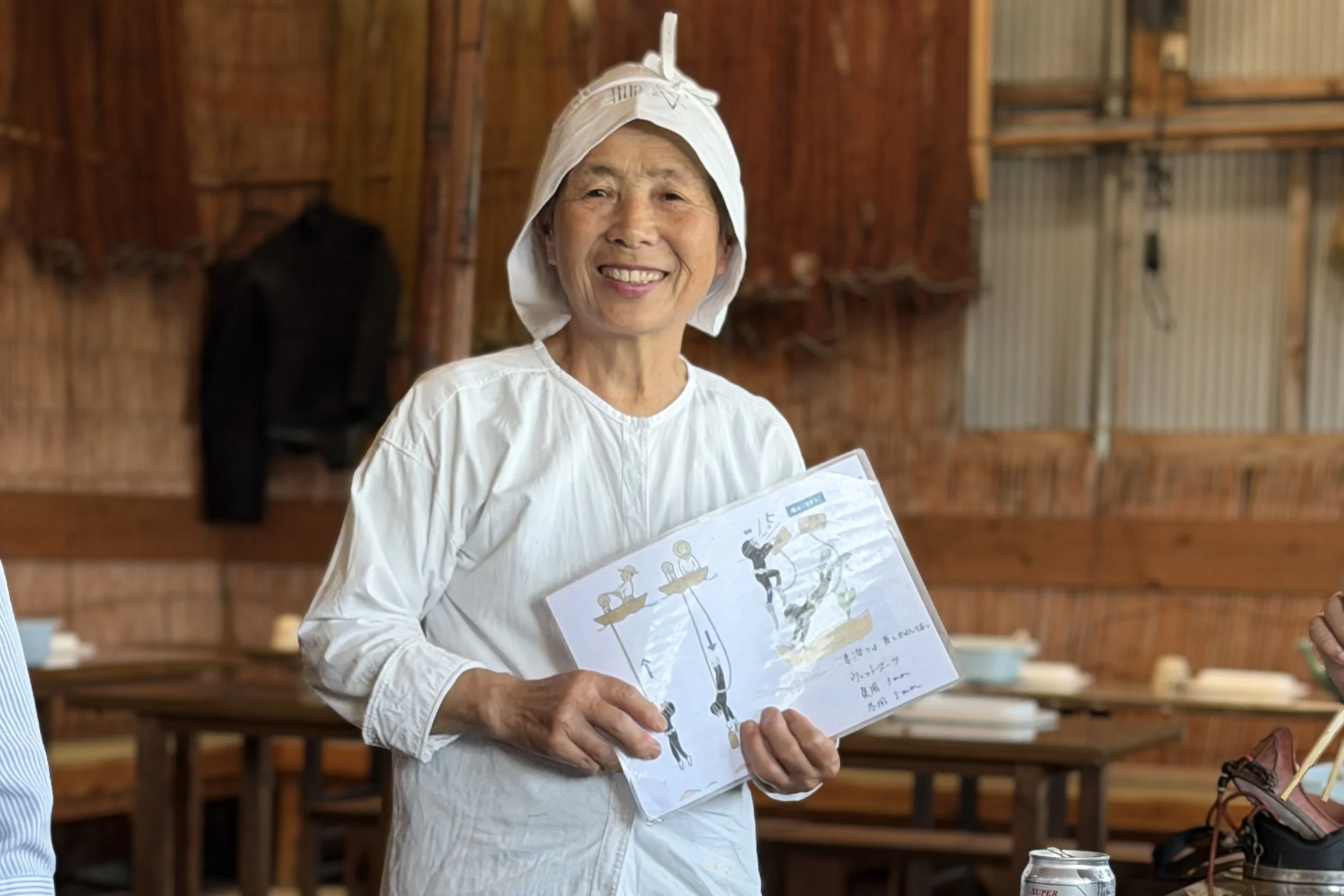
The Ama
The Ise-Shima region quietly rewards those who make the effort to get there. At its spiritual heart is Ise-Jingu - the holiest Shinto shrine in Japan, a site so revered that virtually every Japanese person hopes to visit at least once in their lifetime. "Visiting Ise-Jingu offered a rare glimpse into how spirituality remains woven into daily life in Japan," explains Kara. "I was particularly fascinated by the tradition of rebuilding the shrine every twenty years - not to preserve it, but to renew it."
The winding inlets of Ago Bay are the birthplace of cultured pearl farming, beautifully expressed at Cova Kakuda - a four-room retreat from the Ryokan Collection built on a family pearl farm site dating to 1931, with saunas, cold plunges, and activities from paddleboarding to guided pearl farm visits. A further highlight for Kara was meeting the Ama ("Sea Women"): Japan's female free divers, who have harvested abalone and shellfish from the sea - without tanks or modern equipment - for thousands of years. Fewer than 500 remain active today, some diving well into their seventies and eighties. It is one of the more quietly affecting encounters Japan has to offer.
Amanemu, Ise-Shima
Kara’s Recommendation
Amanemu
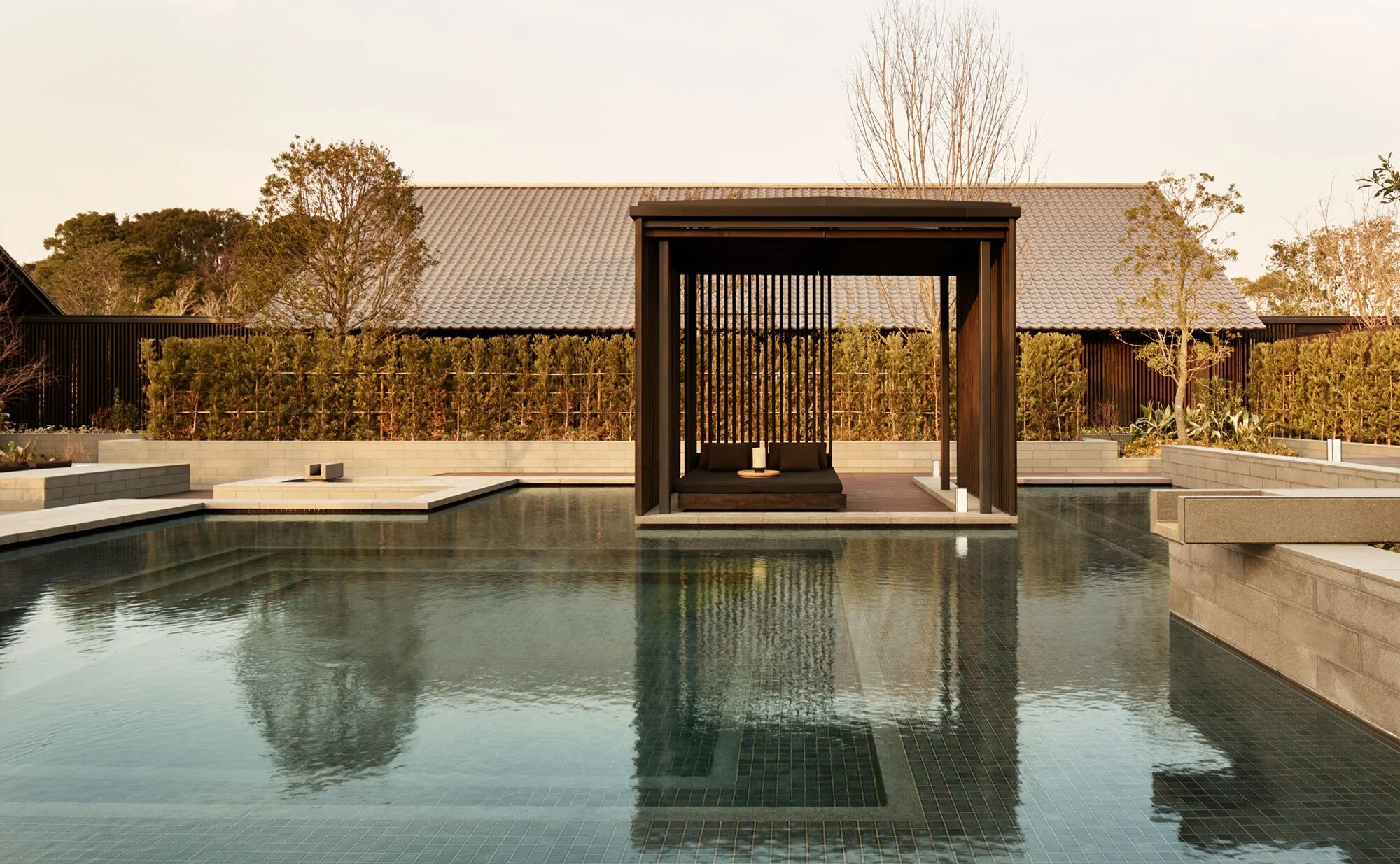
Long considered one of the Aman brand's most heartfelt expressions of Japanese hospitality, this ryokan-inspired onsen retreat sits in the forested hills above Ago Bay.
Each of Amanemu's 24 suites and four villas features a private onsen fed by natural mineral springs, while the 2,000-square-metre spa offers a watsu pool, steam rooms, and outdoor bathing pavilions. The food draws on Ise lobster, marbled wagyu, and foraged local produce, and ancient pilgrimage trails thread through the surrounding forest. Just a short drive from Ise-Jingu, it is a deeply restorative base for the region.
Kyushu: Japan's Southern Island
Kara’s Recommendation
Hot Springs near Beppu
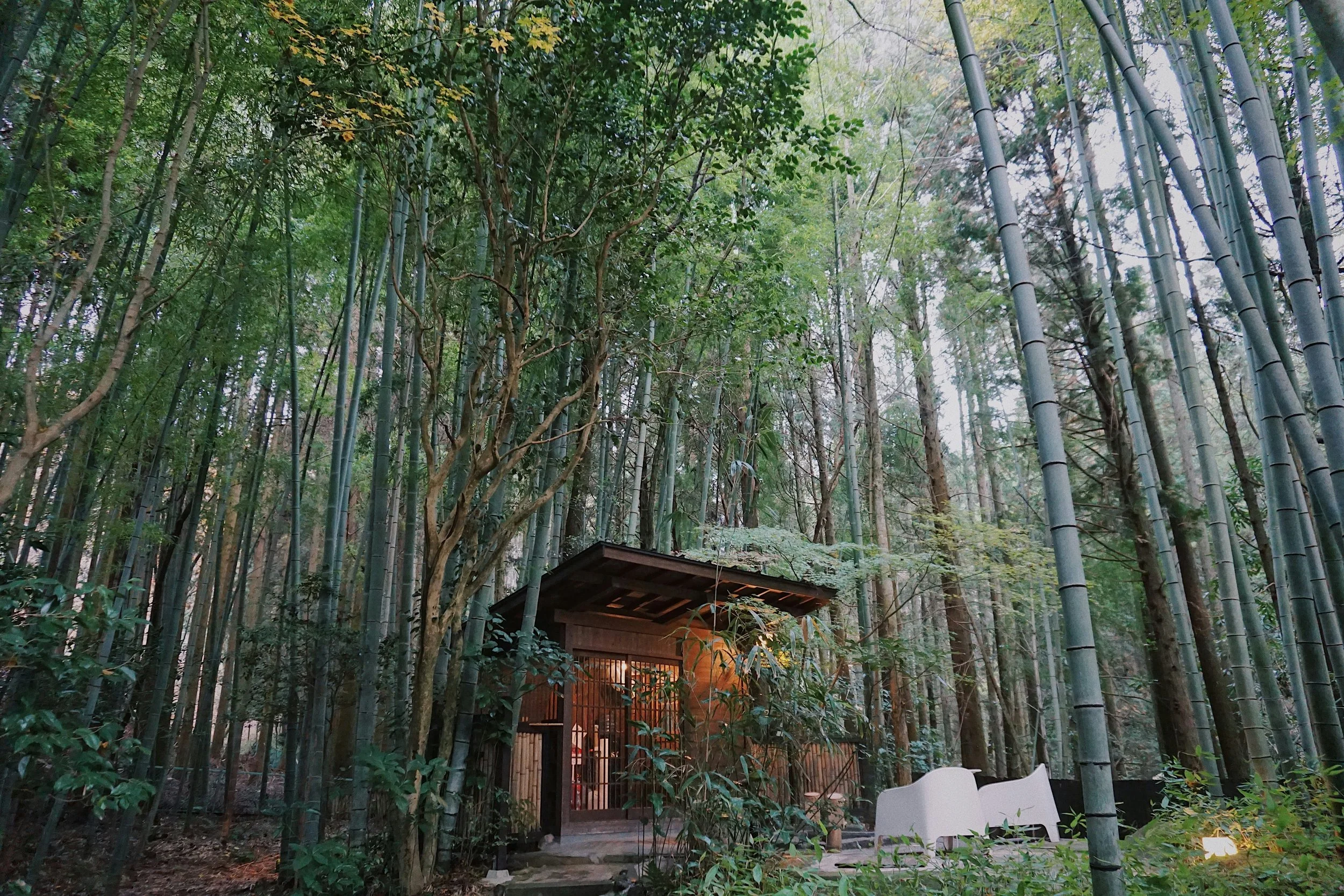
Japan's southernmost main island is one of travel's better-kept secrets: seven distinct prefectures, each with its own personality. Fukuoka is a buzzing culinary city and birthplace of tonkotsu ramen. Nagasaki carries the weight of history as Japan's sole port open to foreign trade during its long period of isolation. Kumamoto offers one of Japan's finest castles alongside the vast caldera of Mount Aso. Oita is hot-spring country, centred on Beppu, a city renowned for its vast network of over 2000 natural hot springs. Miyazaki brings subtropical coastline and the dramatic Takachiho Gorge. Kagoshima pairs a brooding volcano and deep samurai heritage with a Wagyu beef so prized it has taken the top honours at Japan's national Wagyu competition.
Add to this Kyushu's status as Japan's largest green tea producer and the birthplace of its porcelain tradition, and the case is made: this is not a side trip - it is a destination in its own right. "One thing I love about Japan is the reverence for mastery," says Kara. "There is an artisan dedicated to perfecting almost every craft imaginable - and then the artisan has an artisan!"
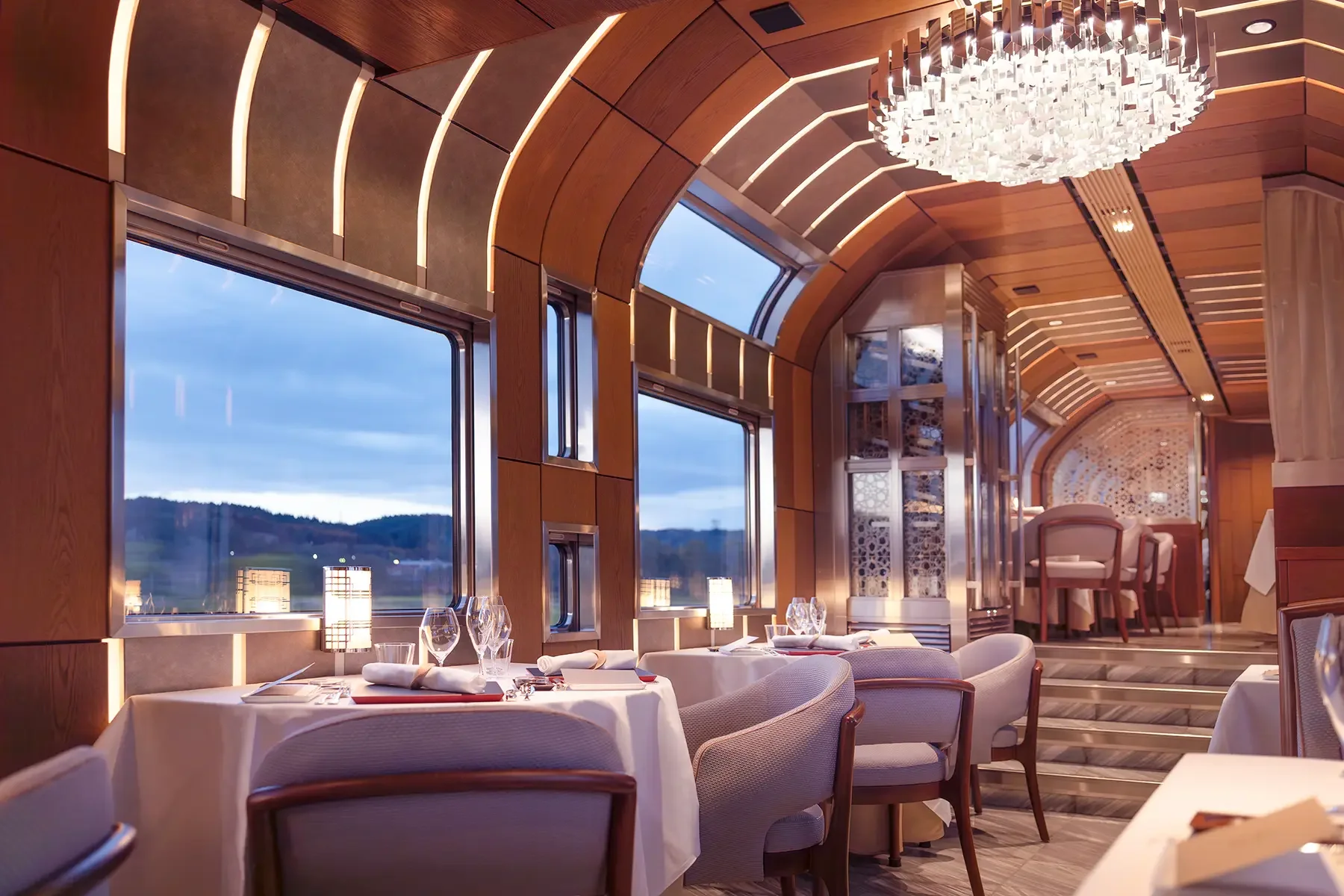
Japan by Luxury Train
Kara’s Recommendation
Train Suite Shiki Shima
Japan's cruise trains are rolling boutique hotels, designed not to get you somewhere quickly, but to make you want the journey to last longer. Three sit at the pinnacle.
The Seven Stars in Kyushu - the train that set the standard in 2013 - offers two or four-day loops through Kyushu's volcanic landscapes, with just 14 suites and places so highly sought after they are exclusively allocated by lottery.
The Twilight Express Mizukaze departs Kyoto and traces the rugged coastlines and onsen towns of western Japan across two or three-day itineraries - unhurried and consistently beautiful.
The Train Suite Shiki-Shima, designed by Ferrari and Maserati's Ken Okuyama, accommodates just 34 guests across 17 suites on seasonal routes through eastern Honshu and Tohoku.
All three offer Michelin-calibre dining, exquisite suites, and curated stops en route. For the country that invented the bullet train, the slow travel rail journey through Japan is a quietly subversive joy.
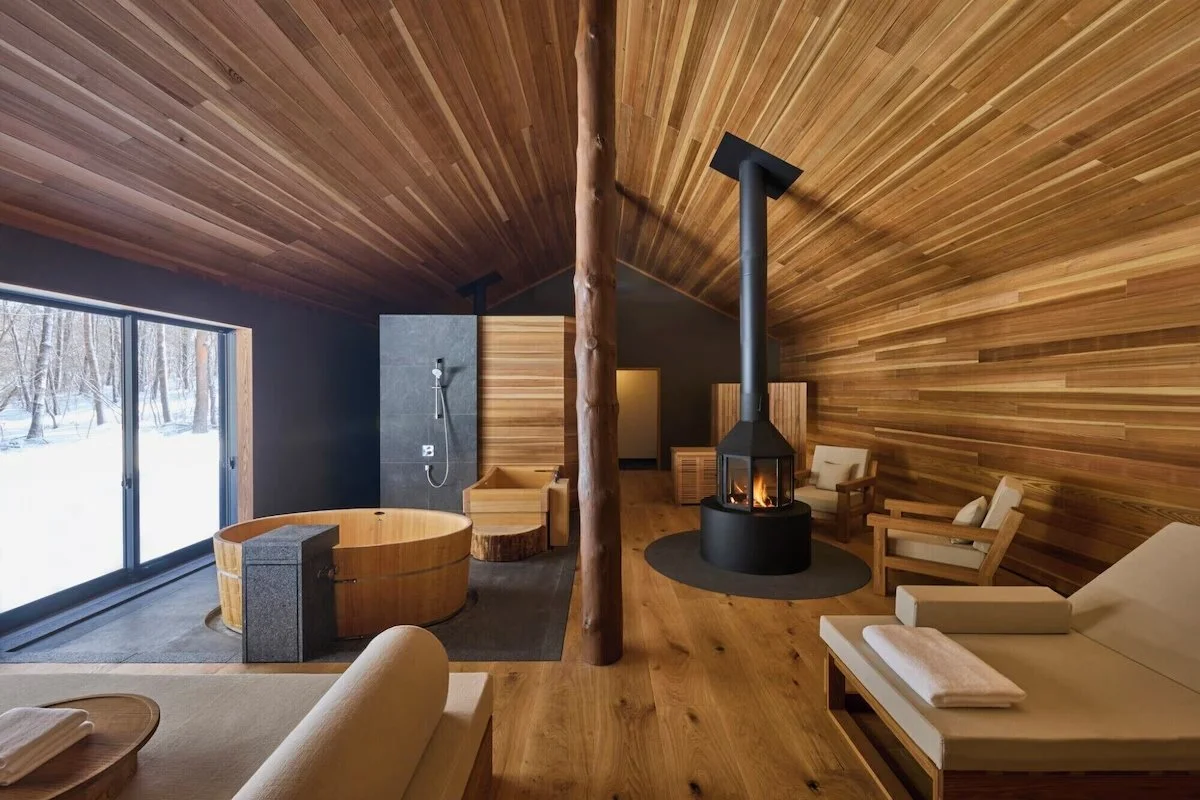
The Azumi Collection
Kara’s Recommendation
Azuma Farm Koiwai
Adrian Zecha - the visionary hotelier behind Aman Resorts - launched his Azumi brand with Azumi Setoda in 2021: a lovingly restored 140-year-old merchant estate on the island of Ikuchijima in the Seto Inland Sea, with pale timber, washi paper screens, and exposed beams. Awarded a Michelin Key in 2024, it sits at the midpoint of the Shimanami Kaido cycling route, making it equally suited to the active and the contemplative. This April, Zecha’s vision extended north with the opening of Azuma Farm Koiwai in Iwate Prefecture - a 24-villa retreat within a historic farm estate in the foothills of Mount Iwate, with skiing, hiking, golf, and horseback riding on the doorstep. Two very different properties, one quietly revolutionary vision of Japanese hospitality.
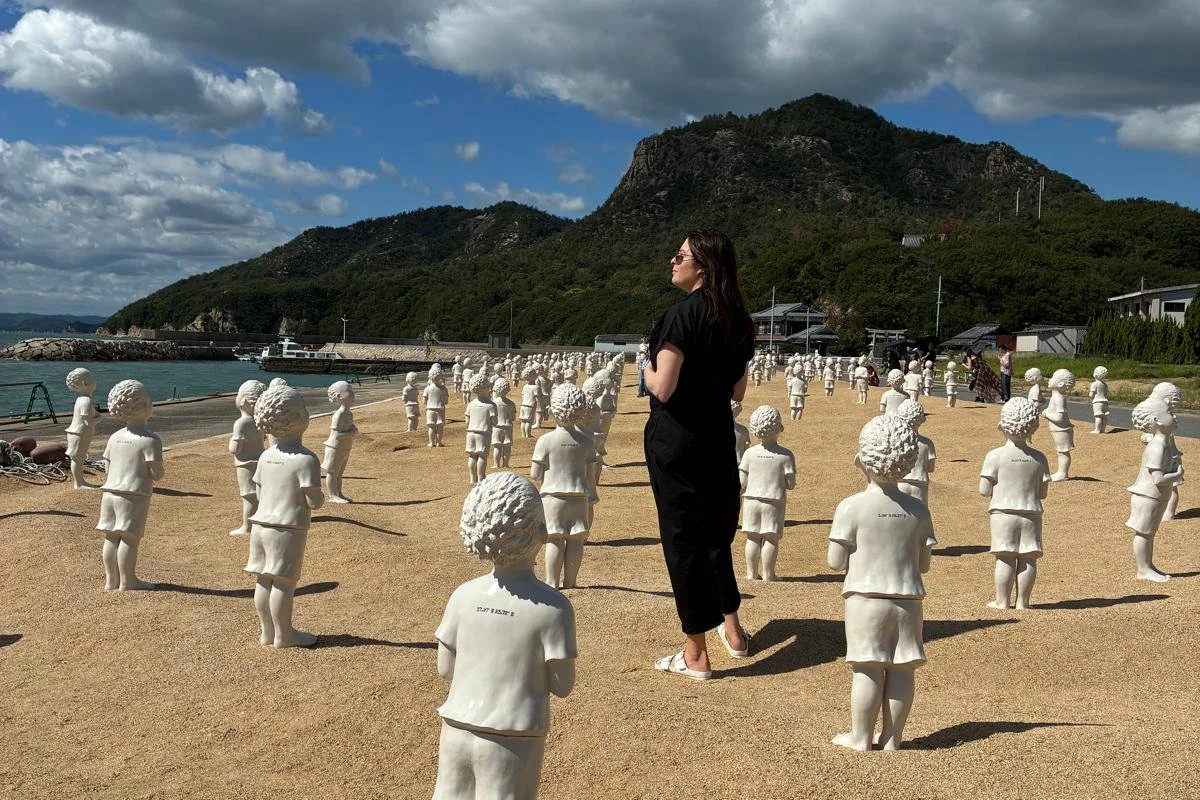
Exploring the Setouchi Art Islands by Private Catamaran
Leora’s Recommendation
Setouchi Art Islands
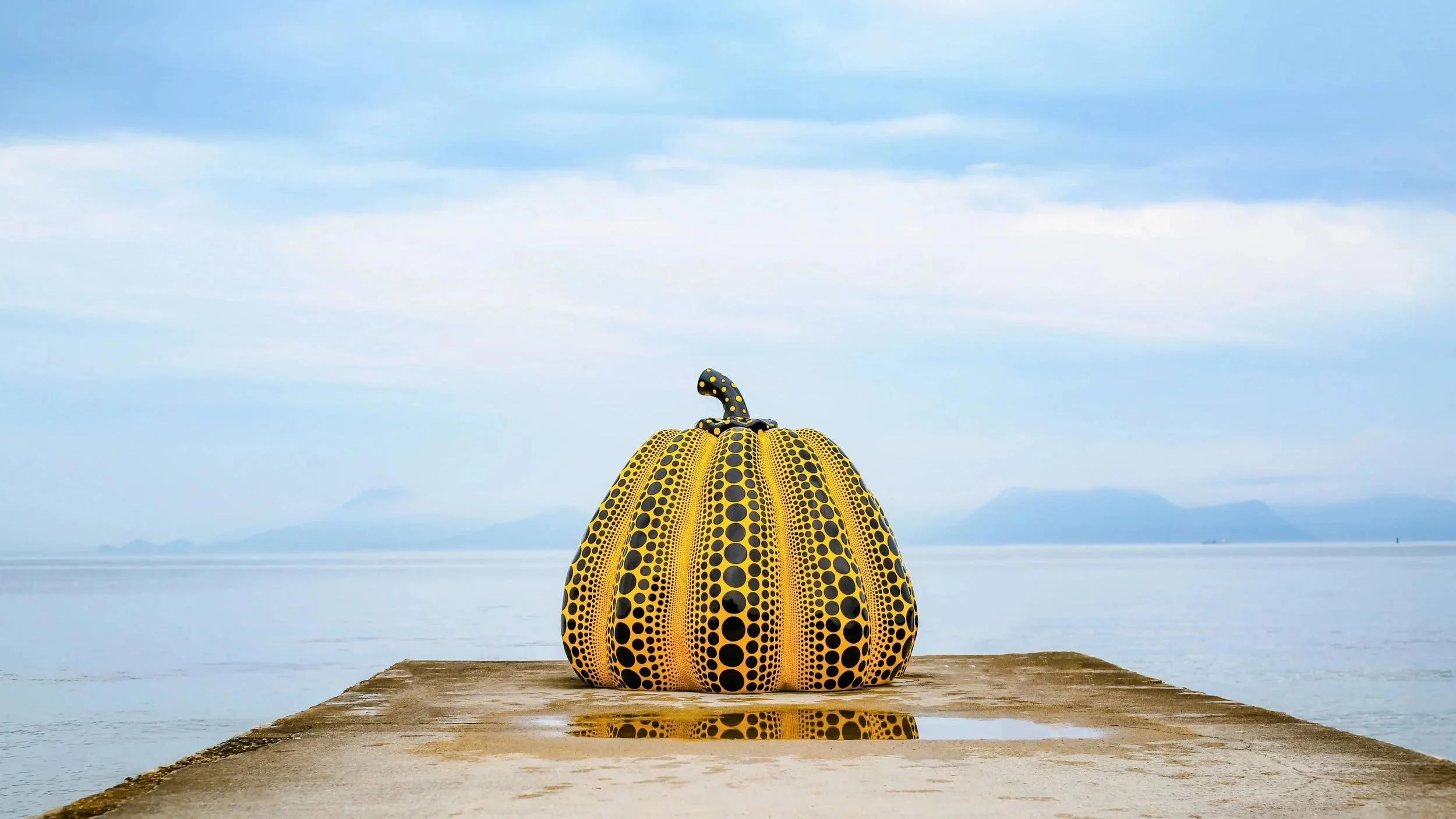
Naoshima. Teshima. Inujima. These small islands - known collectively as the Art Islands - scattered across the Seto Inland Sea have quietly become one of the most remarkable art destinations on earth: Tadao Ando buildings emerging from hillsides, Yayoi Kusama pumpkins punctuating harbour edges, and site-specific installations inhabiting former fishing villages. Often compared to the Aegean in atmosphere - mild, unhurried, and extraordinarily beautiful - Leora chose to navigate the region by private chartered catamaran, calling in at each island on her own schedule, free of ferry timetables and tourist crowds. "Arriving by sea completely reframes how you encounter the islands," she says.
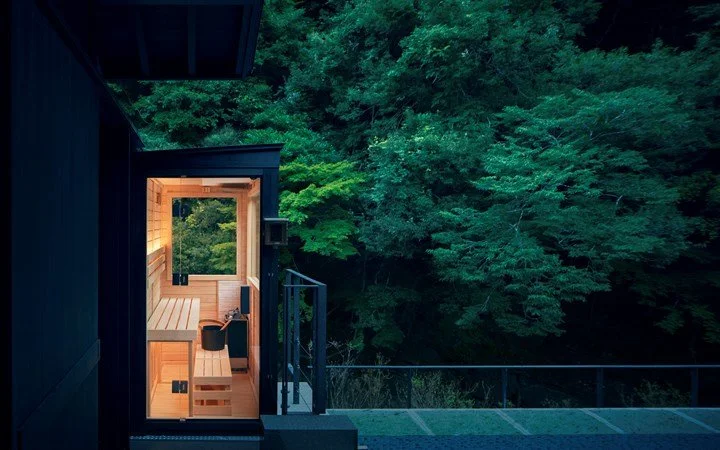
Espacio The Hakone Geihinkan Rin-Poh-Ki-Ryu, Hakone
Leora’s Recommendation
Espacio Hakone
Hakone is one of Japan's most beloved escapes - a mountain resort town just 80 kilometres from Tokyo, famed for its hot springs, views of Mount Fuji, and outstanding art scene. Espacio, which opened in 2024 as a Leading Hotels of the World member, takes that experience to another level entirely. The nine-villa retreat sits 100 metres down in a secluded forested valley, accessible only via private cable car, with each villa featuring its own Dogashima onsen, plunge pool, and original artwork by Japanese artisans. Kaiseki dining, overseen by a Michelin-starred Kyoto chef, is served in the privacy of your villa, and the extraordinary Hakone Open-Air Museum is just minutes away.
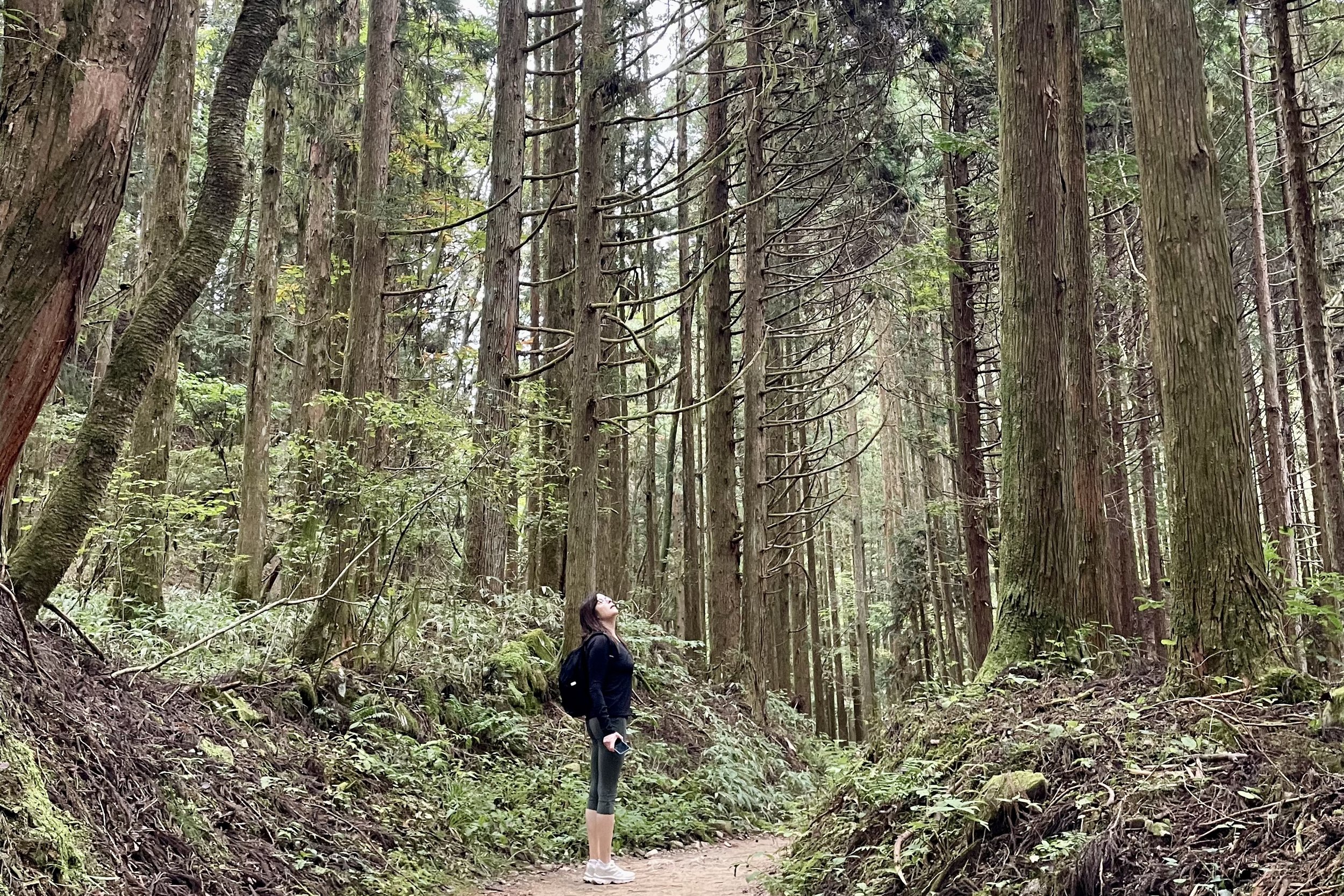
Walking the Nakasendo Trail
Leora’s Recommendation
The Nakasendo Trail
Japan's answer to Spain's Camino, the Nakasendo Trail predates pilgrimage tourism by several centuries. This 534-kilometre inland route once carried samurai, feudal lords, merchants and monks through 69 designated post towns across the mountains of Nagano and Gifu prefectures, connecting Edo (present-day Tokyo) with Kyoto. Today, its appeal lies in its flexibility - you can walk anywhere from a single day to a multi-week traverse. The most celebrated stretch runs between Magome and Tsumago: eight kilometres of cobbled forest path and cedar woodland, arriving into one of Japan's best-preserved Edo-era townscapes. Tsumago's residents forbid advertising and restrict vehicle traffic to this day, meaning its lantern-lit streets look much as they did 300 years ago.
The most extraordinary Japanese journeys are built on personal experience - on knowing not just that a place exists, but what it feels like to arrive there, what to order, where to linger, and what most travellers will walk straight past. Leora and Kara's firsthand knowledge of Japan's regions, properties, and hidden experiences is precisely what allows us to craft itineraries that truly reflect the depth and diversity of this remarkable country.